Mgahinga Gorilla National Park Uganda: Ultimate Guide to Gorilla Trekking, Volcano Hiking and Wildlife Adventures
Mgahinga Gorilla National Park is one of Uganda’s most iconic protected areas and is exceptionally perfect for gorilla trekking and golden monkey tracking. Situated in the remote southwestern part of Uganda, it borders Rwanda to the south and the Democratic Republic of Congo to the west. Covering approximately 33 square kilometers, this park is part of the larger Virunga Conservation Area, which spans across three countries, protecting a unique ecosystem that harbors critically endangered mountain gorillas. The park is only 14 kilometers from Kisoro town, making it accessible for adventurous travelers seeking an unforgettable wildlife experience.
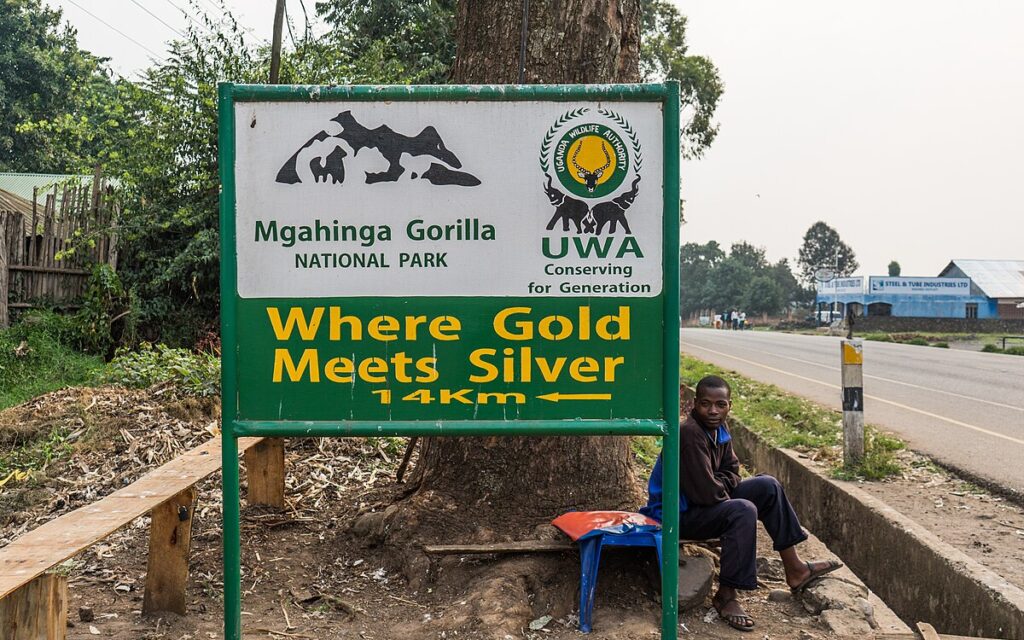
The park occupies the forested slopes of the northern Virunga Volcanoes: Mount Muhavura (4127 meters), Mount Gahinga (3474 meters), and Mount Sabinyo (3645 meters). Each of the three neighboring countries manages its section of the Virungas: Uganda oversees Mgahinga National Park, Rwanda manages Volcanoes National Park, and the Democratic Republic of Congo maintains Parc National des Virunga. Together, these protected areas form the Virunga Conservation Area, which covers 434 square kilometers, with Mgahinga contributing 33.7 square kilometers or roughly 8 percent of the total area. The park lies within Bufumbira County in Kisoro District.
Mgahinga Gorilla National Park is distinguished by its diverse terrain, ranging from dense forests to volcanic peaks and open grasslands. The park’s ecological significance is immense; during climatic shifts in the Pleistocene ice ages, the Virunga mountains provided refuge for mountain plants and wildlife, enabling species to ascend and descend according to temperature changes. Today, Mgahinga is home to a remarkable variety of flora and fauna, including half of the world’s critically endangered mountain gorillas, golden monkeys, and over seventy species of birds.
Wildlife in Mgahinga Gorilla National Park
Although the park is small in size, its wildlife is rich and varied. Visitors to Mgahinga may encounter a variety of mammals, including elephants, leopards, buffaloes, and warthogs, though these animals are infrequently seen due to the park’s dense terrain. The true stars of Mgahinga Gorilla National Park are the mountain gorillas, which attract visitors from across the globe.
Mountain Gorillas
Mountain gorillas are the main attraction for tourists in Mgahinga. The park is home to a habituated gorilla family known as the Nyakagezi group, which comprises nine individuals: two silverbacks, three adult females, two juveniles, and two infants. Gorilla trekking in Mgahinga offers a rare opportunity to observe these gentle giants in their natural habitat.
While the chance to see gorillas is high, it is important to note that sightings are not guaranteed. Gorillas are wild animals with no fixed routines, and trackers rely on experience, skill, and a bit of luck to locate them. Visitors are accompanied by professional guides who have intimate knowledge of the gorillas and their movements. The trek involves hiking through dense forests and mountainous terrain, which requires a reasonable level of fitness.
Preparing for Gorilla Trekking
To maximize your gorilla trekking experience, ensure you carry the following essentials:
- Rain gear or a raincoat for unpredictable weather
- Sunscreen and a hat for sun protection
- Sufficient water and snacks
- Hiking boots with good grip for slippery slopes
- Binoculars for bird and wildlife viewing
- Gloves for navigating rough vegetation
- Warm clothing, including a thick cardigan, long trousers, and long-sleeved shirts
- Camera with waterproof protection
Gorilla Trekking Etiquette
Visitors must follow strict guidelines to ensure safety and minimize stress for the gorillas:
- Keep your voice low and avoid sudden movements
- Do not point or wave your arms, as this may be interpreted as a threat
- Maintain a distance of at least five meters from the gorillas
- Avoid using flash photography
Gorilla Trekking in Mgahinga
Gorilla trekking in Mgahinga is a once-in-a-lifetime experience. The trek begins at the park headquarters, where guides provide a briefing on safety, etiquette, and what to expect. The duration of the trek varies depending on the gorilla group’s location, ranging from two to six hours or more.
During the trek, guides share insights about gorilla behavior, biology, and conservation efforts. Observing gorillas feeding, playing, and interacting within their group is a deeply moving experience. Many visitors describe the moment they encounter a silverback as one of the most humbling and unforgettable wildlife experiences on the planet.
Golden Monkey Tracking
In addition to mountain gorillas, Mgahinga is famous for golden monkeys. These small primates have striking golden-orange fur and are playful and highly social. The park is one of the few locations in the world where golden monkey tracking is possible, offering visitors a more dynamic and fast-paced wildlife encounter.
Golden monkey tracking is less physically demanding than gorilla trekking but still involves hiking through bamboo forests and steep terrain. Guides are available to explain the monkeys’ feeding habits, social structures, and conservation challenges.
Hiking and Volcano Climbing
Mgahinga Gorilla National Park is also a haven for hiking enthusiasts. The park is home to three volcanoes: Mount Sabinyo, Mount Gahinga, and Mount Muhavura. Each volcano offers unique challenges, scenic beauty, and panoramic views of the Virunga region.
Mount Sabinyo
Known locally as the “Old Man’s Teeth,” Mount Sabinyo has a distinctive triple-peaked summit. The climb involves steep ridges, ladders, and sections that require scrambling with hands. Reaching the peak allows hikers to stand at the intersection of Uganda, Rwanda, and the Democratic Republic of Congo. The round-trip hike covers approximately 14 kilometers and takes around eight hours.
Mount Gahinga
Mount Gahinga is slightly smaller than its neighboring peaks but offers an immersive bamboo forest hiking experience. The six-hour hike takes visitors through pristine vegetation and ends at a swamp that was once a crater lake. The route is less demanding than Sabinyo, making it suitable for moderately fit hikers.
Mount Muhavura
Mount Muhavura is the tallest volcano in Mgahinga, standing at 4127 meters. The hike involves rocky slopes and grasslands, offering breathtaking views of Lake Edward, Bwindi Impenetrable Forest, and the Rwenzori Mountains. The trek covers 12 kilometers round trip and typically takes eight hours. Due to limited facilities on the mountain, hikers are advised to base camp overnight with tents and supplies.
Cave Exploration
Mgahinga is home to the historic Garama Cave, which was once inhabited by the Batwa people. The Batwa are one of Uganda’s indigenous groups, known for their forest-based lifestyle and rich cultural heritage. The cave is approximately 342 meters long and 14 meters deep, and visitors can explore its interior while learning about Batwa history from experienced guides. The trek to the cave takes around four hours from the park headquarters.
Viewing Platforms
For visitors who prefer a less strenuous activity, Mgahinga offers several viewpoints. The main viewing platform, located just 800 meters from the park gate, provides panoramic views of the park, neighboring villages, and the Virunga peaks. The platform is accessible without a guide, and informational panels explain the landscapes and wildlife visible from the hilltop.
Border Trail
The border trail in Mgahinga offers a five-hour walk that leads toward Mount Sabinyo before turning toward the Congo border. The 10-kilometer route passes through montane forests, wetlands, and open grasslands. Hikers may spot golden monkeys, elephants, and numerous bird species along the way. Two rest huts are available for breaks, making this trail ideal for bird watching, photography, and nature observation.
Bird Watching in Mgahinga Gorilla National Park
Mgahinga Gorilla National Park is a bird watcher’s paradise, hosting around 79 bird species. Many of these birds are endemic to the Albertine Rift and East Congo montane regions, making the park an important site for bird conservation. Common species include the Ibis, Whydah, Speckled Mousebird, Fire Finch, Stonechat, Grey Capped Warbler, Waxbills, and Yellow-Vented Bulbul.
The park also provides opportunities for free birding along the edges of the park. Visitors can walk along buffalo walls, wetlands, and forest edges to spot a variety of species. Binoculars are recommended, and guides can help identify birds and provide insights into their habitats.
Flora of Mgahinga Gorilla National Park
Mgahinga is home to diverse vegetation ranging from bamboo forests to montane and swamp ecosystems. Bamboo is a dominant feature on the slopes of Mount Gahinga and Mount Sabinyo, providing food for golden monkeys and shelter for birds. The park’s montane forests are rich in endemic tree species, ferns, and wildflowers, creating a unique environment for wildlife and nature enthusiasts alike.
Accommodation and Camping in Mgahinga
Visitors to Mgahinga Gorilla National Park have several accommodation options, ranging from luxurious lodges to budget-friendly campsites. Kisoro Town, only 14 kilometers from the park, offers hotels and lodges, while the park itself provides traditional community-run bandas and camping areas. Popular options include:
- Travelers Rest
- Mgahinga Safari Lodge
- Mount Gahinga Rest Camp
- Virunga Hotel
- Sky Blue
- Rugigana Campsite
- Mubano Hotel
- Community Campground
Camping within the park allows visitors to experience the park’s tranquility and natural beauty at close range. Facilities at campsites include basic toilets, fire pits, and areas for cooking. Visitors are advised to bring tents, sleeping bags, and sufficient water for overnight stays.
How to Reach Mgahinga Gorilla National Park
Mgahinga Gorilla National Park is located in southwestern Uganda, approximately 540 kilometers from Kampala, the capital city of Uganda. The journey by road typically takes about eight hours, passing through scenic landscapes in Kabale and Kisoro districts. Kisoro town serves as the main gateway to the park and offers multiple transport options to the park entrance. Visitors can hire a taxi, minibus, or private vehicle from Kisoro, while the more adventurous may choose to hike the short 14-kilometer route from the town to the park gate.
Access from Uganda
For travelers coming from within Uganda:
- By Road from Kampala: The route from Kampala to Mgahinga Gorilla National Park takes you through Mbarara, Kabale, and Kisoro. Roads are generally paved and offer spectacular views of rolling hills, terraced farmland, and small towns along the way. Several stops for refreshments and local cuisine are available in Kabale and Kisoro.
- By Air: The closest domestic airport is Kisoro Airstrip. Charter flights from Entebbe International Airport or Kajjansi Airfield near Kampala are available and are ideal for travelers on a tight schedule. Upon arrival at Kisoro, park staff or local taxis can transport visitors to the park gate.
Access from Rwanda
Mgahinga Gorilla National Park can also be conveniently accessed from Kigali, Rwanda’s capital, which is a popular entry point for many East African travelers combining visits to both Rwanda and Uganda for gorilla trekking. Explore more about gorilla trekking in Uganda from Kigali in Rwanda and you will under deeper access to Mgahinga and Bwindi Impenetrable National Park. The distance from Kigali to Mgahinga is approximately 130 kilometers, and the journey by road usually takes three to four hours depending on border crossing times.
- Route Details: Travelers from Kigali drive southwest through the towns of Huye (Butare) and Nyungwe before reaching the Cyanika border post, which connects Rwanda to Uganda. After clearing customs and immigration at Cyanika, the journey continues for about 10 kilometers to Kisoro town. From Kisoro, the park gate is only 14 kilometers away, accessible by taxi, motorcycle, or a short hike.
- Advantages of Starting in Kigali: Accessing Mgahinga from Kigali allows visitors to combine their trip with a visit to Rwanda’s Parc National des Volcans, home to the famous Volcanoes National Park gorillas. This route is especially popular among international travelers seeking a multi-country gorilla trekking experience in the Virunga Conservation Area.
Tips for the Road Trip
- Border Crossing: Ensure you carry valid passports, necessary visas, and any required COVID-19 or health documentation. Both Rwanda and Uganda require visitors to pay a small entry fee at the border.
- Transport Options: Private vehicles or safari vans are recommended for comfort, especially when crossing the hilly terrain between Rwanda and Uganda. Public transport is available but less reliable.
- Timing: Start early in the morning to allow for smooth border crossing and to reach the park before evening. Afternoon arrivals may limit time for activities on the first day.
By choosing either the Kampala route or the Kigali route, travelers have flexibility depending on their itinerary, allowing for a smooth and scenic journey to one of East Africa’s most remarkable wildlife destinations.
Conservation Efforts in Mgahinga Gorilla National Park
Mgahinga Gorilla National Park plays a critical role in the conservation of mountain gorillas and the wider Virunga ecosystem. The park is managed by the Uganda Wildlife Authority in collaboration with local communities, international conservation organizations, and neighboring countries.
Conservation efforts include:
- Anti-poaching patrols to protect gorillas, golden monkeys, and other wildlife
- Community engagement programs that provide alternative livelihoods to reduce human-wildlife conflict
- Reforestation projects and habitat restoration
- Scientific research and monitoring of gorilla populations
Visitors contribute to conservation through park fees, which support wildlife protection, habitat management, and community projects.
Mgahinga Gorilla National Park for Adventure Seekers
Mgahinga is not only a wildlife destination but also a hub for adventure tourism. The park offers activities that combine physical challenge with nature immersion, including gorilla trekking, golden monkey tracking, hiking, volcano climbing, cave exploration, and bird watching. Visitors can also participate in cultural tours with the Batwa community, gaining insights into traditional forest-based lifestyles and survival skills.
Best Time to Visit Mgahinga Gorilla National Park
The park is accessible year-round, but the best times to visit are during the dry seasons from June to September and December to February. Dry conditions make trekking easier and increase the likelihood of wildlife sightings. Rainy seasons may create slippery trails, especially on the volcanic slopes, but the lush vegetation and vibrant scenery make the experience rewarding for those prepared.
Tips for Visiting Mgahinga Gorilla National Park
- Book gorilla permits in advance as they are limited and highly sought after
- Dress appropriately for trekking, including long sleeves, long trousers, and sturdy hiking boots
- Bring insect repellent to protect against mosquitoes in forested and wetland areas
- Carry a camera and binoculars for wildlife and bird photography
- Respect wildlife and park rules, including maintaining distance and avoiding flash photography
- Stay hydrated and carry snacks, as treks can last several hours
- Hire a guide for bird watching, hiking, and cultural tours to enhance your experience
Nearby Attractions
While in Kisoro, visitors can explore other natural attractions, including:
- Bwindi Impenetrable National Park: Famous for mountain gorilla trekking and diverse wildlife
- Lake Bunyonyi: Known for its scenic beauty, bird life, and water-based activities
- Nyungwe Forest in Rwanda: A rainforest with chimpanzees and canopy walks
- Queen Elizabeth National Park: Offers game drives, boat safaris, and diverse ecosystems
Exploring these areas in combination with Mgahinga Gorilla National Park creates a comprehensive wildlife and adventure itinerary in East Africa.
In conclusion, Mgahinga Gorilla National Park is a unique gem in Uganda’s tourism landscape, offering unparalleled opportunities for gorilla trekking, golden monkey tracking, bird watching, hiking, and cultural experiences. Its dramatic volcanic landscapes, rich biodiversity, and cultural heritage make it an essential destination for nature lovers and adventure seekers.
By visiting Mgahinga, travelers not only experience unforgettable wildlife encounters but also contribute to the conservation of critically endangered species and the livelihoods of local communities. Whether you are seeking the thrill of climbing a volcano, the serenity of bird watching, or the awe-inspiring encounter with mountain gorillas, Mgahinga Gorilla National Park delivers a life-changing adventure in the heart of the Albertine Rift.
For more information on wildlife experiences in Uganda, check our guides on Gorilla Trekking in Bwindi, and Golden Monkey Tracking.